Home organisation
How to Choose a Wardrobe Organizer: Sizes, Tiers and Tips
By Axilla Team · · 2 min read
Most wardrobes in Indian homes have deep shelves and tall open sections. Clothes get stacked, the pile topples the moment you pull something out, and the back of the shelf becomes a place things are lost. A stackable drawer organizer fixes that by turning one tall space into several drawers you can slide open.
1. Measure the space first
Before you choose a size, measure three things with a tape — and write them down in centimetres:
- Height: from the shelf (or floor) to the shelf above, or to where you want the tower to end.
- Width: the clear width of the section, inside the door frame and hinges.
- Depth: from the back wall to the door. Subtract a couple of centimetres so the door closes freely.
Tip: Compare your measurements with the dimensions on the product page for each tier count, and leave a little gap at the top so drawers don't scrape the shelf above.
2. Pick the number of tiers
Each tier adds one drawer and adds height. As a rough guide:
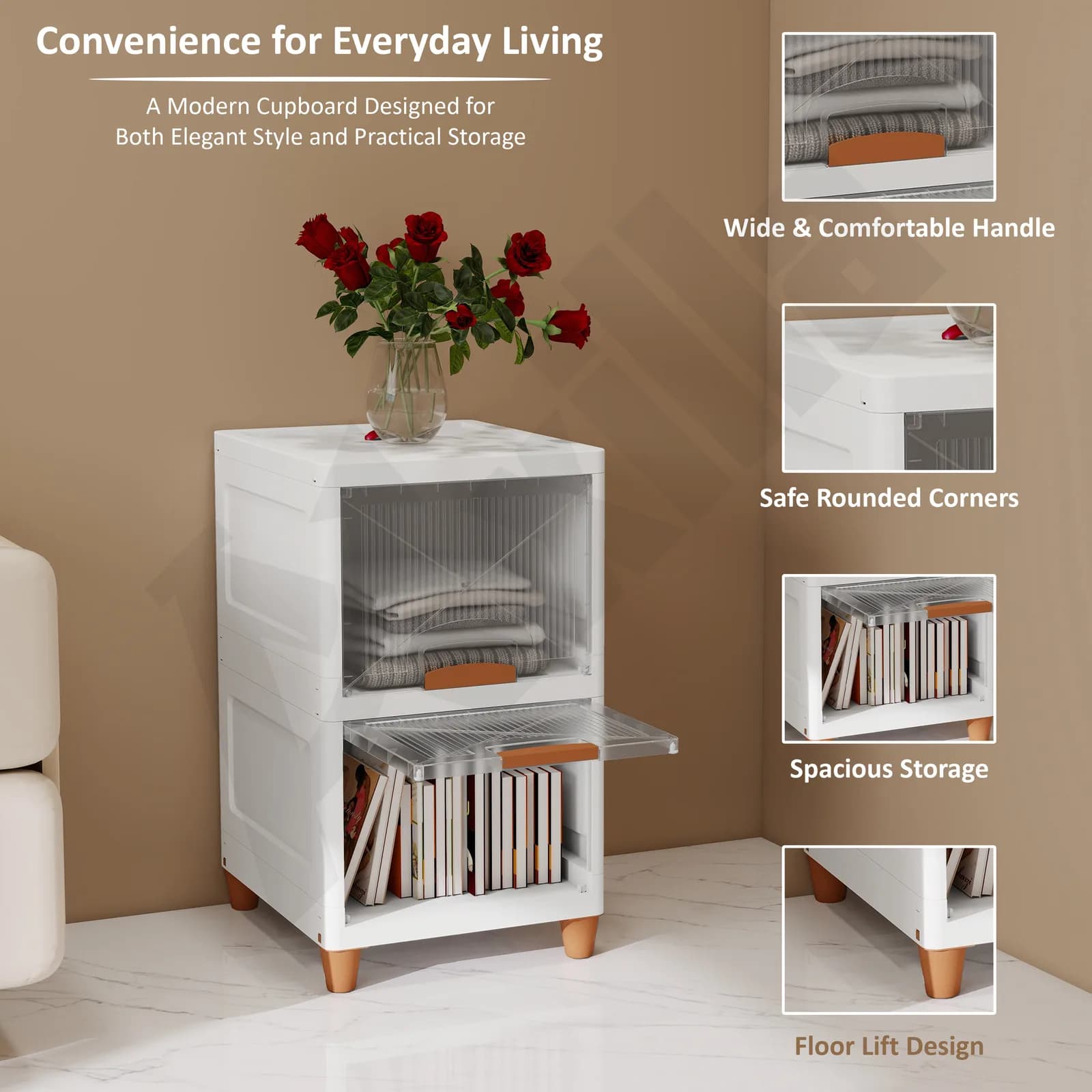
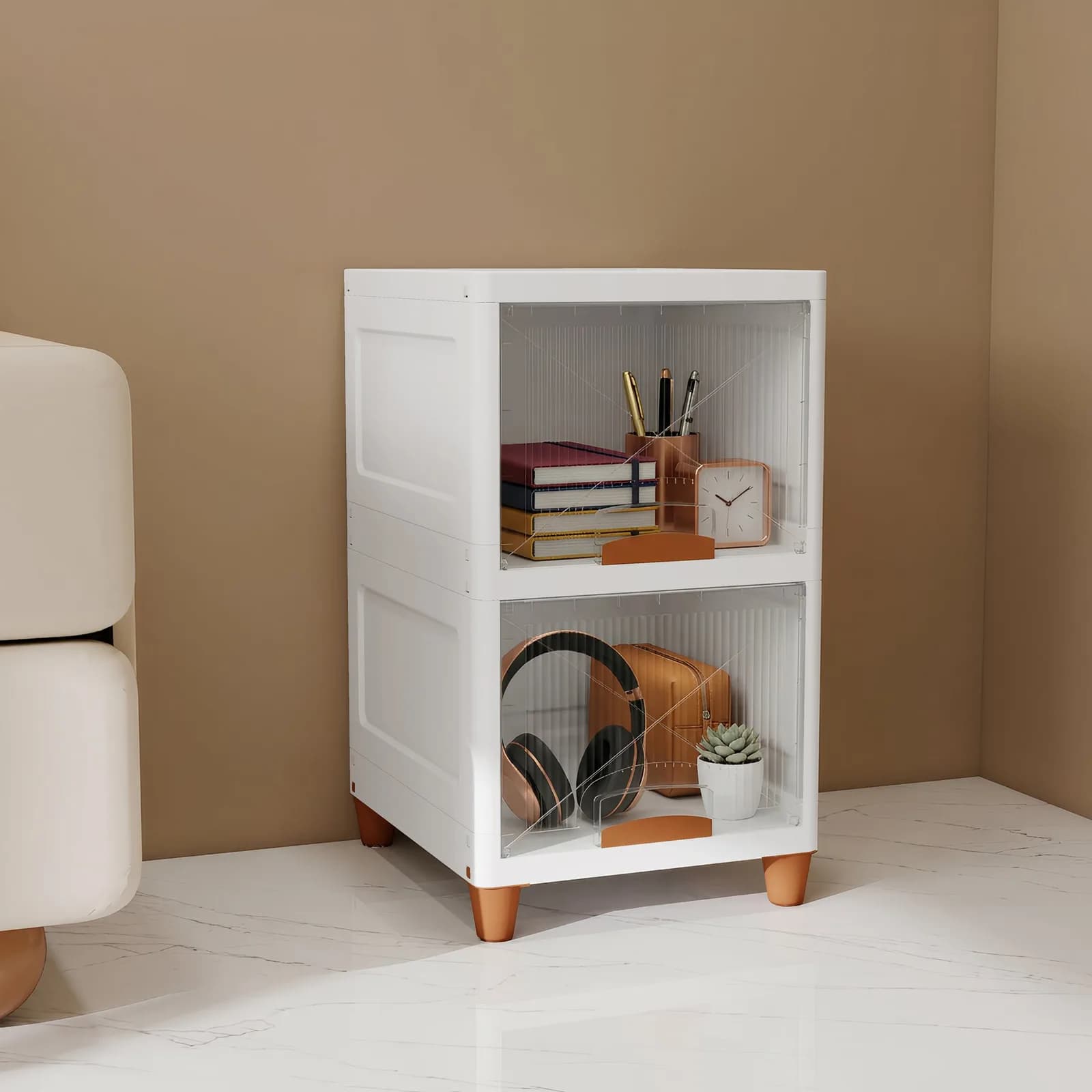
- 2–3 tiers: inside a wardrobe shelf, under a hanging rail, or beside the bed as a bedside unit.
- 4 tiers: a tall wardrobe section, or a free-standing unit for a child's clothes and toys.
- 5–6 tiers: floor-standing storage in a bedroom corner, utility room or kids' room.
If you're unsure, go one tier smaller — the drawers stack, so you can usually add capacity with a second unit later.
3. Transparent or opaque drawers?
- Transparent drawers let you see what's inside without opening them — great for kids' clothes, accessories and things you look for often.
- Opaque drawers (such as ivory) give a calm, uniform look in an open room or a wardrobe without doors.
4. Decide what goes in each drawer
Plan by category, not by person, and keep the things you use daily at waist height:
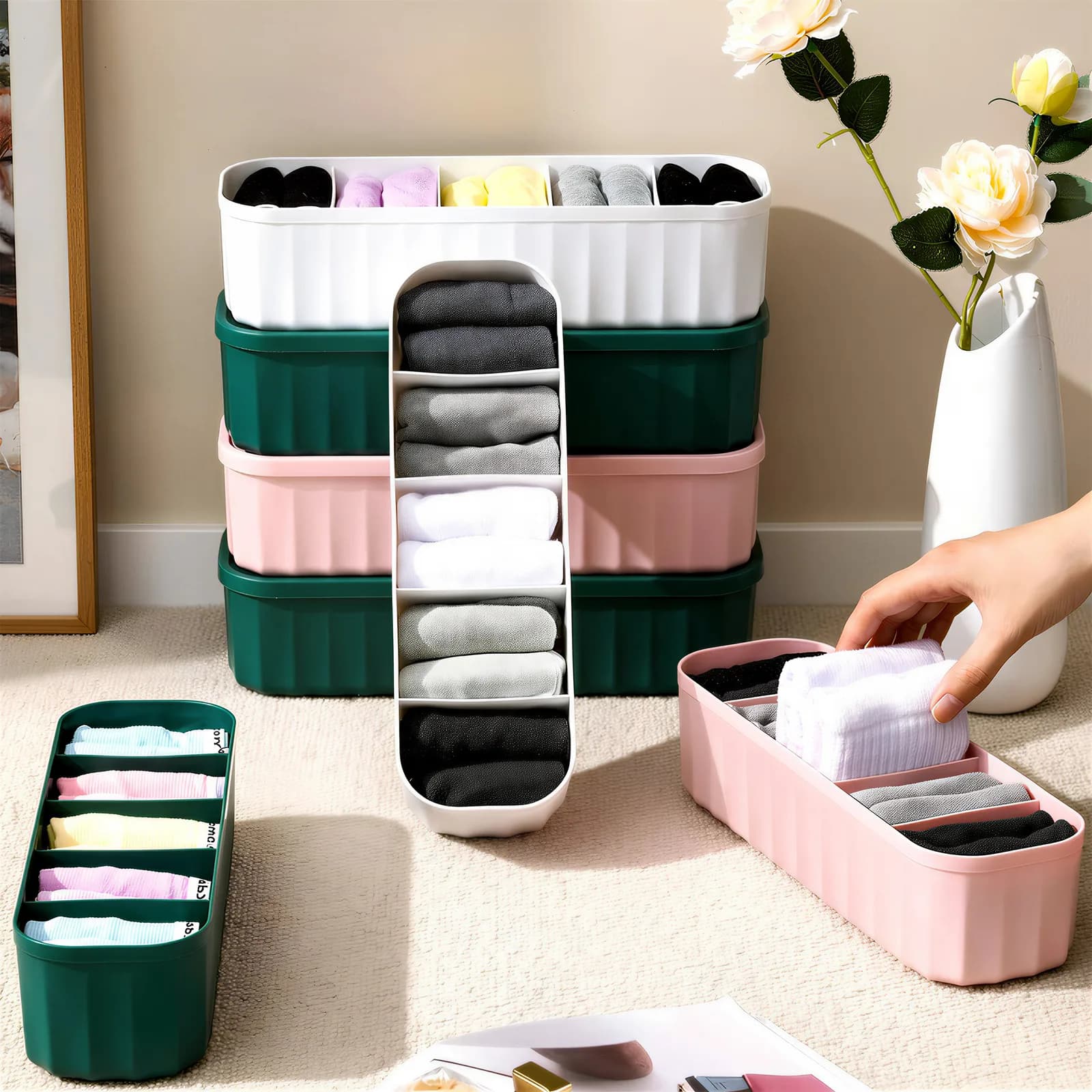
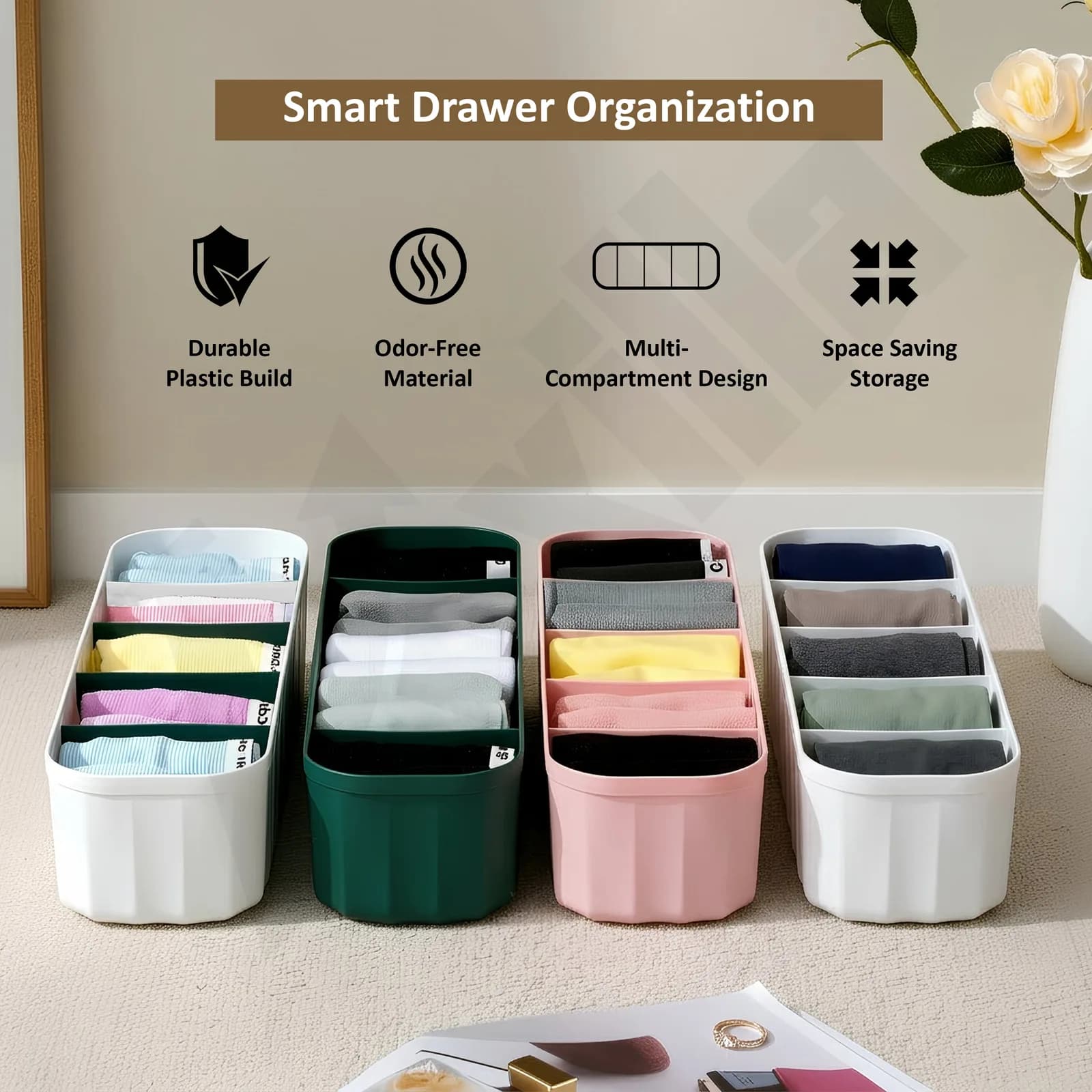
- Top drawers: innerwear, socks and handkerchiefs (a socks organizer inside the drawer keeps pairs together).
- Middle drawers: T-shirts, nightwear and gym clothes, folded the same width so they stand in rows.
- Bottom drawers: heavier items — jeans, bed sheets, winter wear — so the tower stays stable.
Fold to stand, not to stack
File-folding — folding clothes into small rectangles that stand on their edge — lets you see every item when you open the drawer, so nothing gets buried at the bottom.
5. Keep it tidy
- Don't overfill: a drawer that closes easily stays organised.
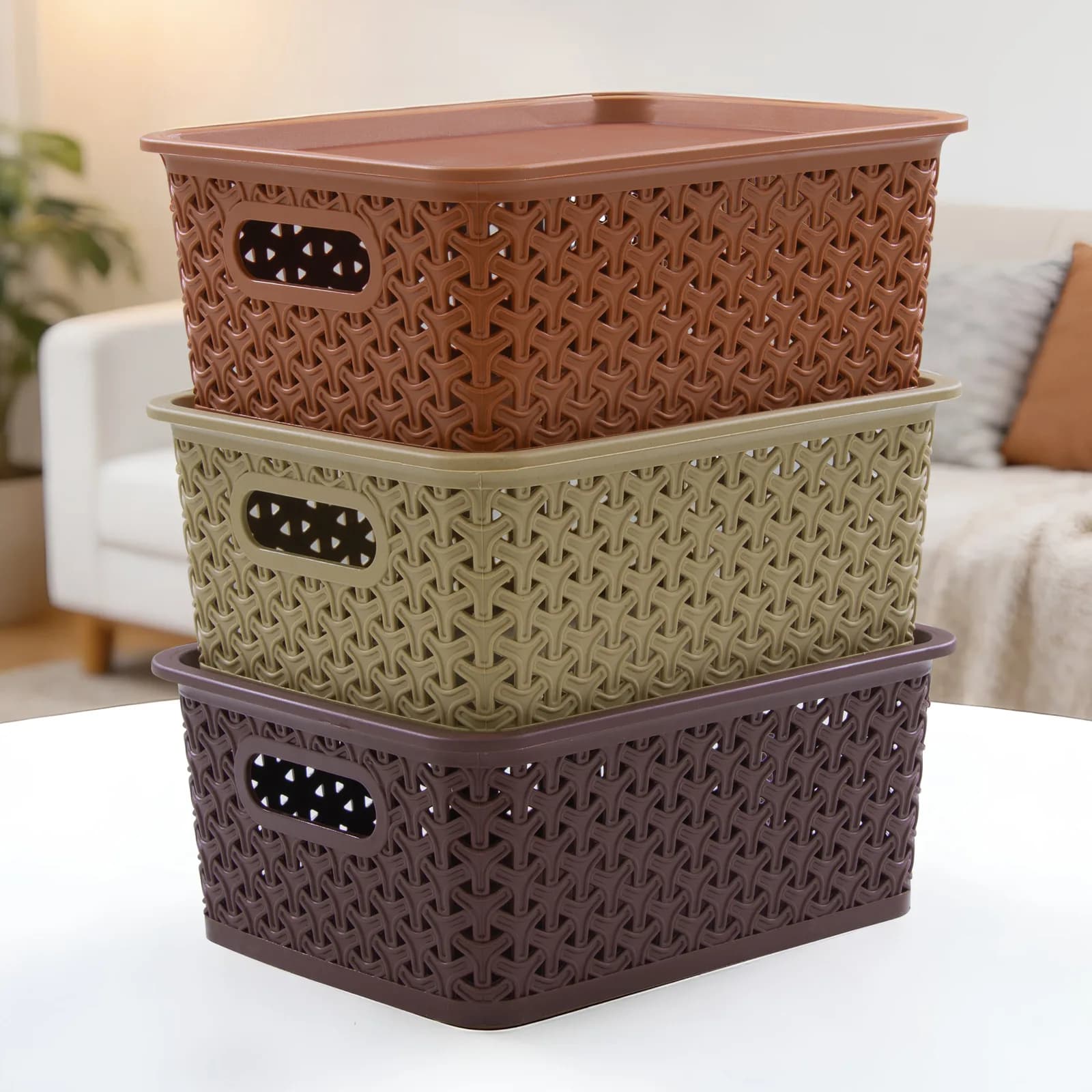
- Use lidded storage baskets for seasonal clothes and spare linen on the top shelf.
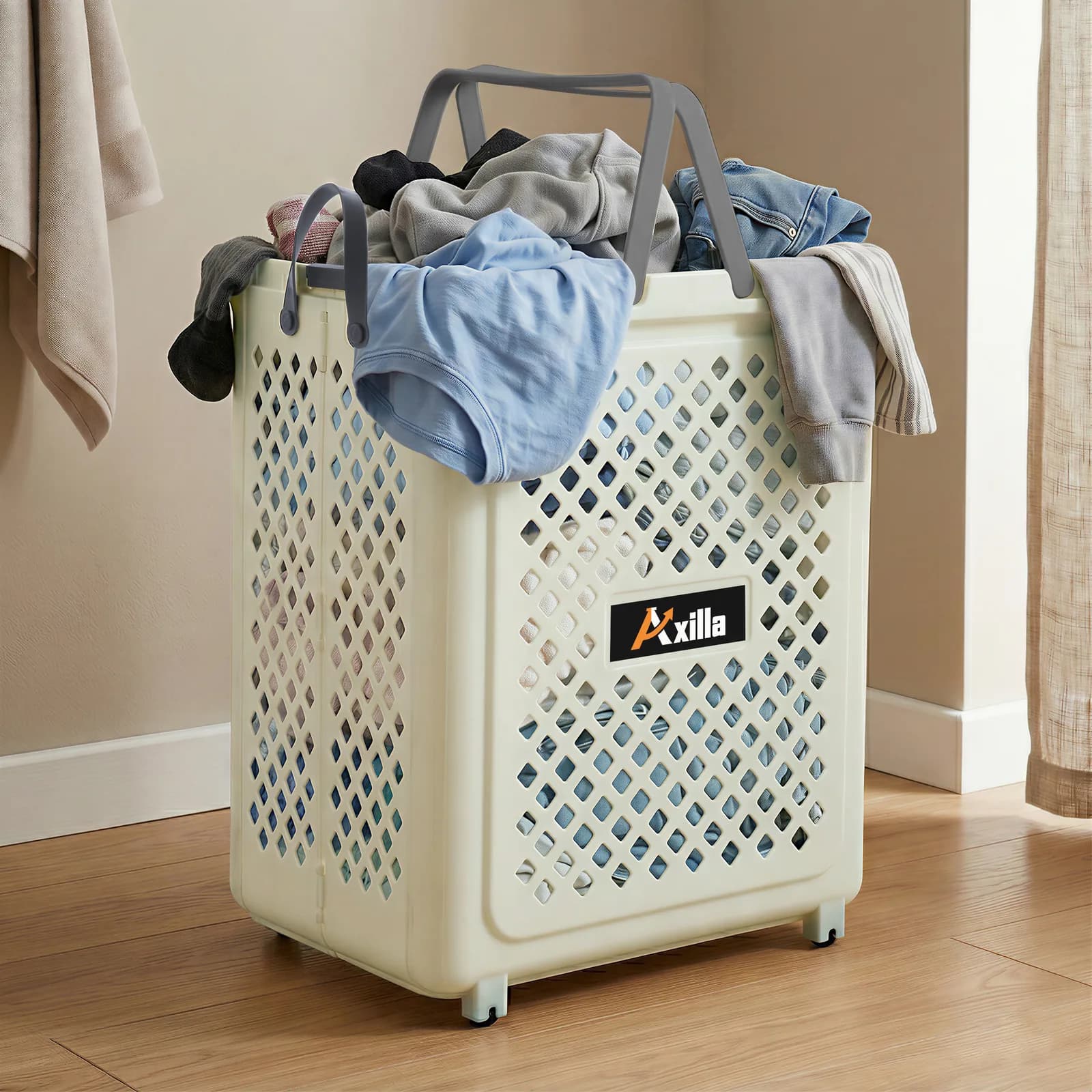
- Keep a laundry basket nearby so worn clothes don't end up back on the shelf.
- Wipe drawers with a dry or slightly damp cloth; let them dry fully before refilling.
Frequently asked questions
- How many tiers should my wardrobe organizer have?
- Measure the height of the space first. 2–3 tiers suit wardrobe shelves and bedsides, 4 tiers a tall section, and 5–6 tiers a free-standing corner unit.
- Transparent or ivory — which is better?
- Transparent drawers show what's inside, which helps with kids' clothes and accessories. Ivory gives a neater, uniform look in an open room.
- Can I use a drawer organizer outside the wardrobe?
- Yes. Taller units work as free-standing storage in bedrooms, kids' rooms and utility areas; shorter ones as bedside or study storage.
Browse: Wardrobe organizers · Tiered organizers