Vastu & crystals
Pyrite Tortoise in Vastu: Meaning, Benefits and Where to Place It
By Axilla Team · · 3 min read
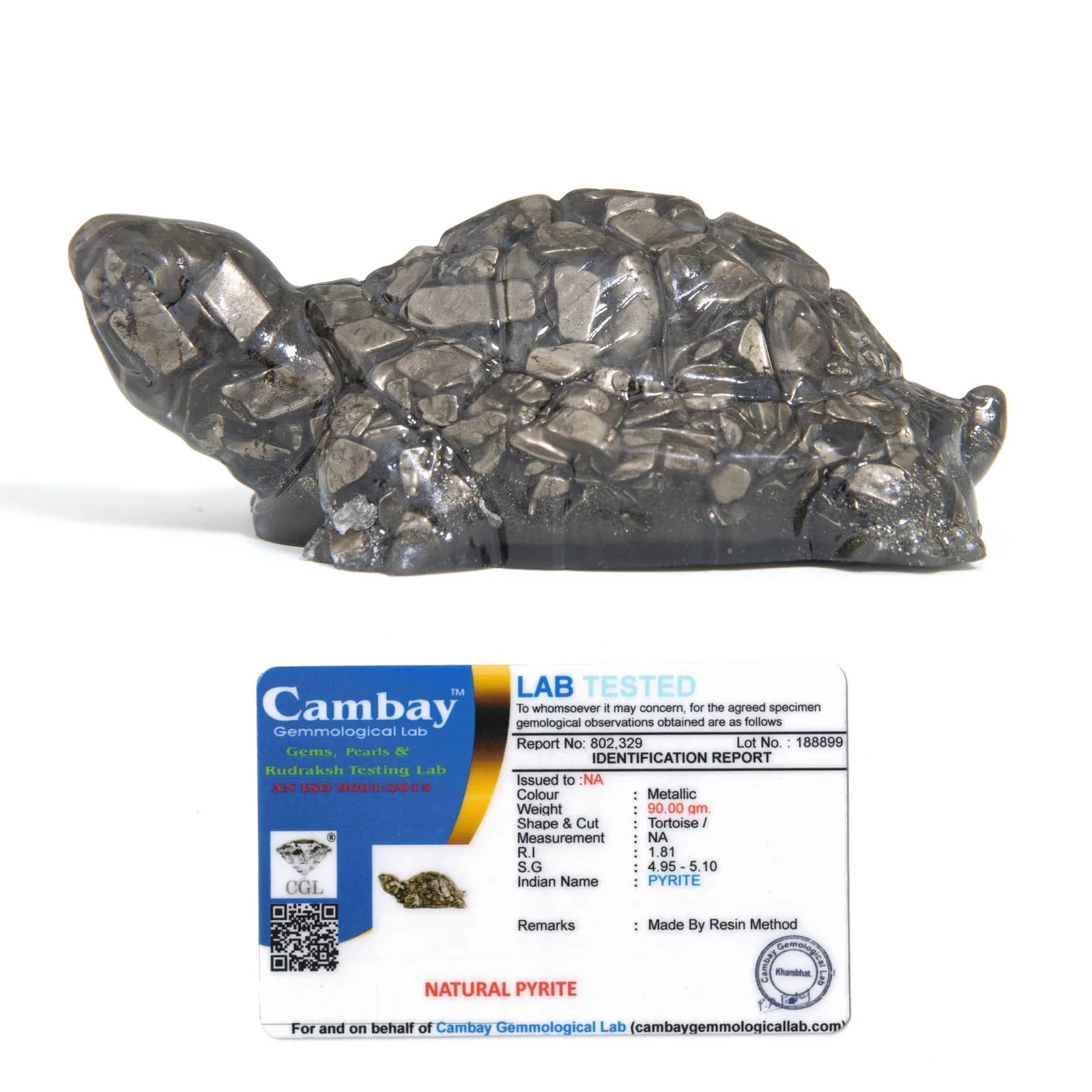
In Indian tradition the tortoise (kachhua or kurma) is closely tied to Lord Vishnu, who took the Kurma avatar to support Mount Mandara during the churning of the ocean. Because of that story, the tortoise has long stood for patience, stability and a long, steady life. Vastu shastra and feng shui both use it as a symbol to keep in the home or workplace.
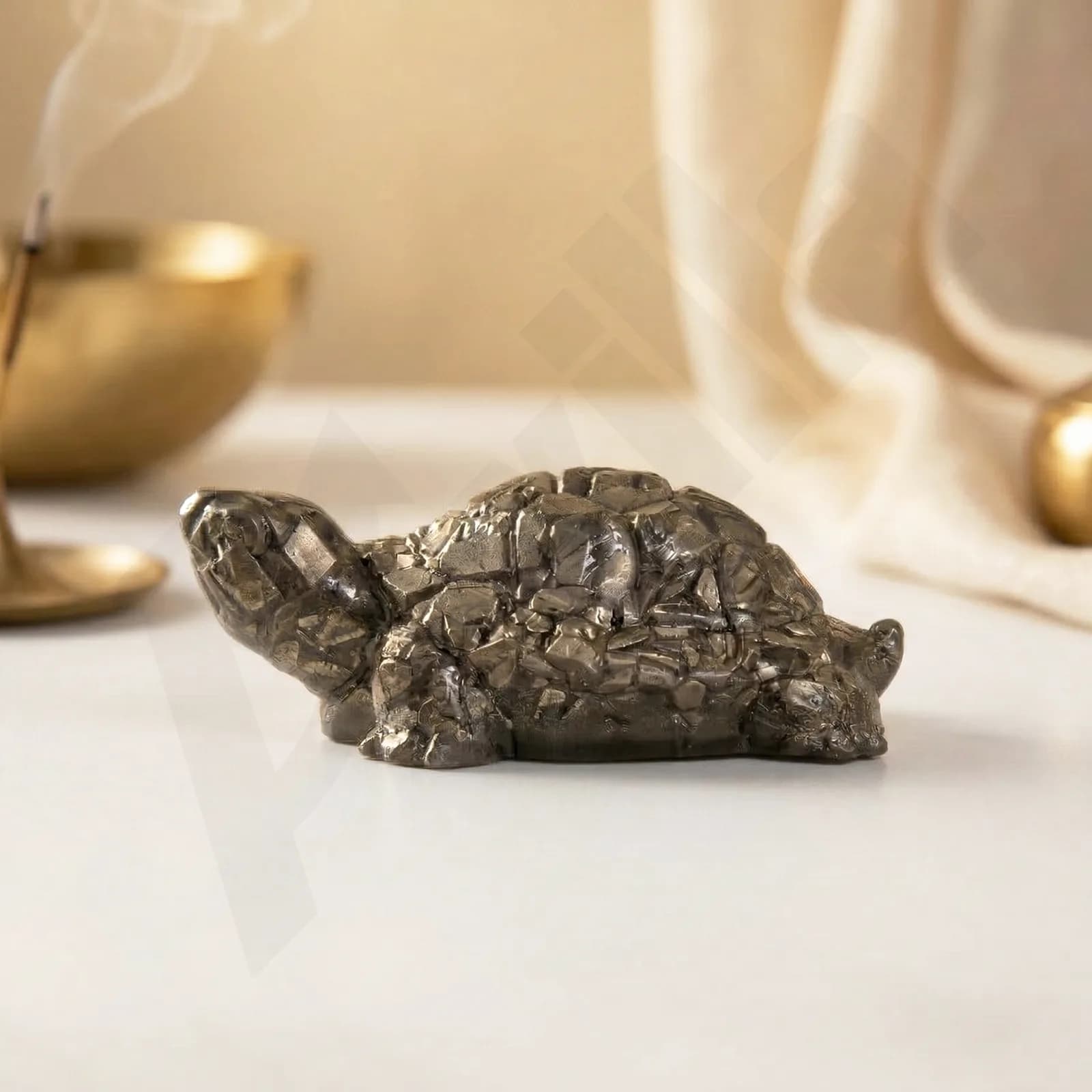
Pyrite, often called “fool's gold” for its metallic golden shine, is associated with wealth and confidence in crystal traditions. A pyrite tortoise brings the two together: a symbol of stability made from a stone linked to prosperity. That's why it's a popular choice for homes, shops and offices, and a common housewarming or new-business gift.
What the pyrite tortoise is believed to bring
Vastu is a traditional belief system, not a science, so think of these as the intentions people place in the tortoise rather than guaranteed results:
- Stability and steady progress at home and at work.
- Prosperity and a positive attitude towards money (from pyrite's association with wealth).
- Protection and calm — the tortoise carries its home on its back and is a symbol of security.
- Longevity and good health, from the tortoise's long life.
Where to place a pyrite tortoise
Vastu guidance varies by school and family practice, but these are the most commonly followed placements:
- Direction: north is traditionally recommended for a tortoise linked to wealth and career; some practitioners suggest the north-west for metal and stone tortoises.
- Facing: many people place it facing into the home or office rather than towards the main door, so it “brings in” what it stands for.
- At work: on your desk or near the cash counter of a shop, on a clean surface.
- At home: in the living room or study, at or below eye level, not on the floor.
Tip: If you follow a particular vastu consultant or family tradition, go with their advice on direction — the guidance above is general.
Choosing a pyrite tortoise
Look at how the piece is made. Some tortoises are carved from a single stone, while others — like ours — are made of raw pyrite pieces set into a tortoise form, which shows off the natural crystals and their metallic shine. Check the size against the space you have, and look for a seller who shares a lab or identification report for the stone.
How to care for pyrite
- Keep it dry: pyrite can tarnish with moisture, so avoid bathrooms and wiping it with water.
- Dust it with a soft, dry cloth or a small brush.
- Keep it out of direct sunlight for long periods and away from harsh cleaners.
- Many people like to “cleanse” crystals with incense smoke or by placing them in moonlight; avoid salt water for pyrite.
A thoughtful gift
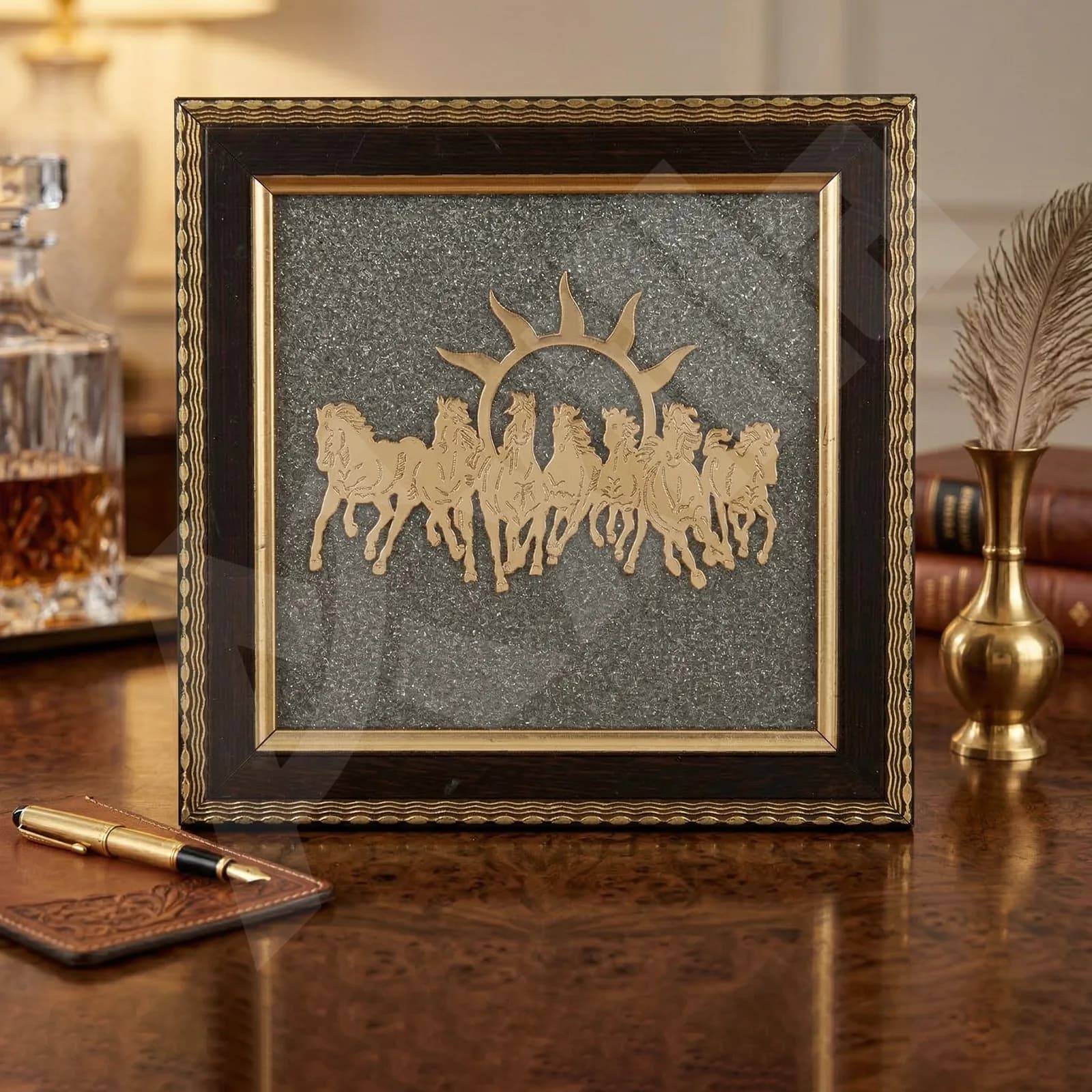
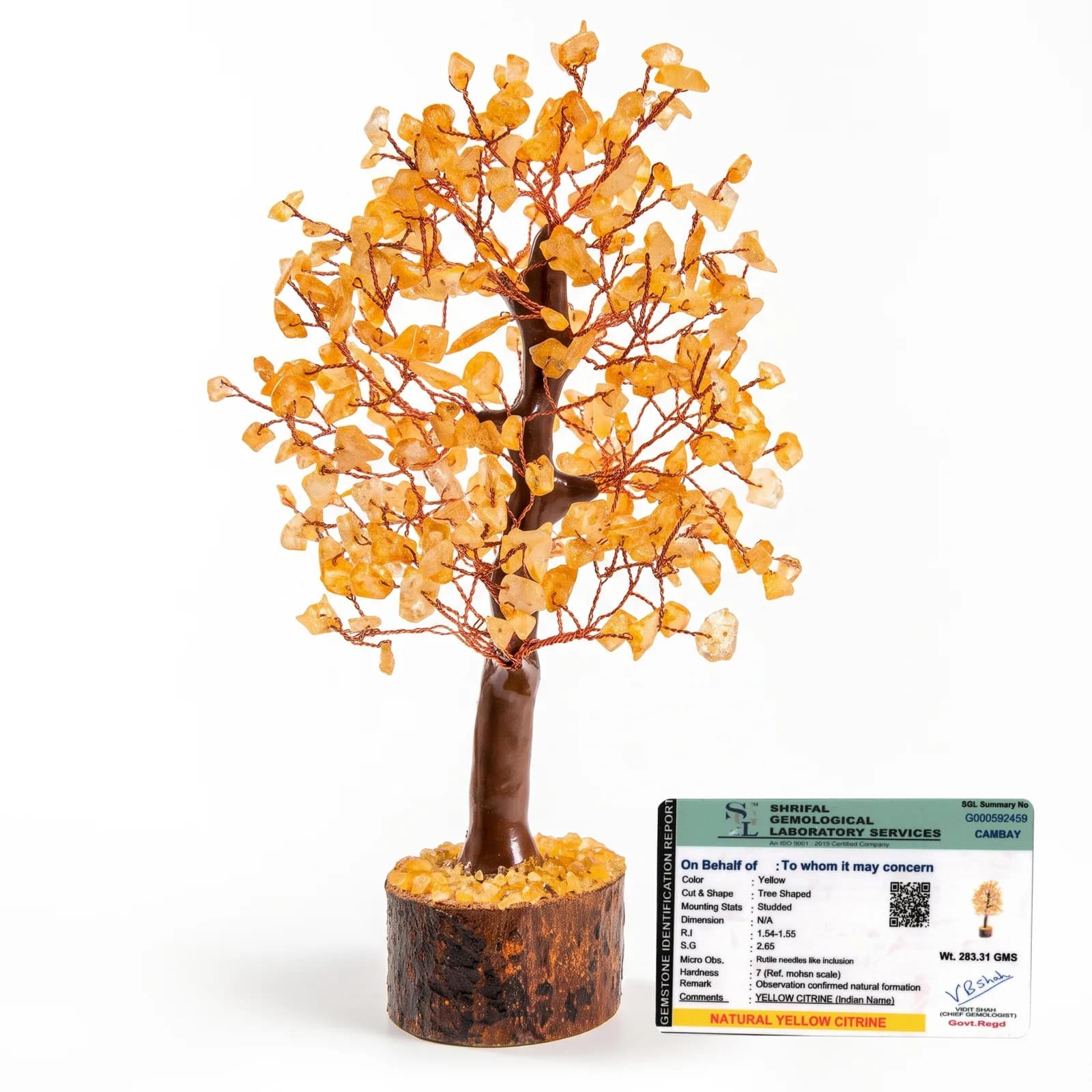
Because it's tied to stability and prosperity, a pyrite tortoise is a meaningful gift for a housewarming, a new shop or office, Diwali, Akshaya Tritiya or Dhanteras. Pair it with a raw pyrite frame of seven running horses or a citrine crystal tree for a complete prosperity-themed gift.
Frequently asked questions
- Which direction should a pyrite tortoise face?
- Traditionally a pyrite tortoise is placed in the north of the home or office, facing inwards. Follow your vastu consultant's advice if they suggest otherwise.
- Can I keep a pyrite tortoise on my office desk?
- Yes. A desk or the cash counter of a shop is one of the most common places for it. Keep it on a clean, dry surface.
- How do I clean a pyrite tortoise?
- Wipe it with a soft, dry cloth or brush. Avoid water and salt, which can make pyrite tarnish.
- Is a pyrite tortoise a good gift?
- Yes — it stands for stability and prosperity, which makes it a popular housewarming, new-business and festival gift.
Browse: Healing crystals · Pyrite tortoise